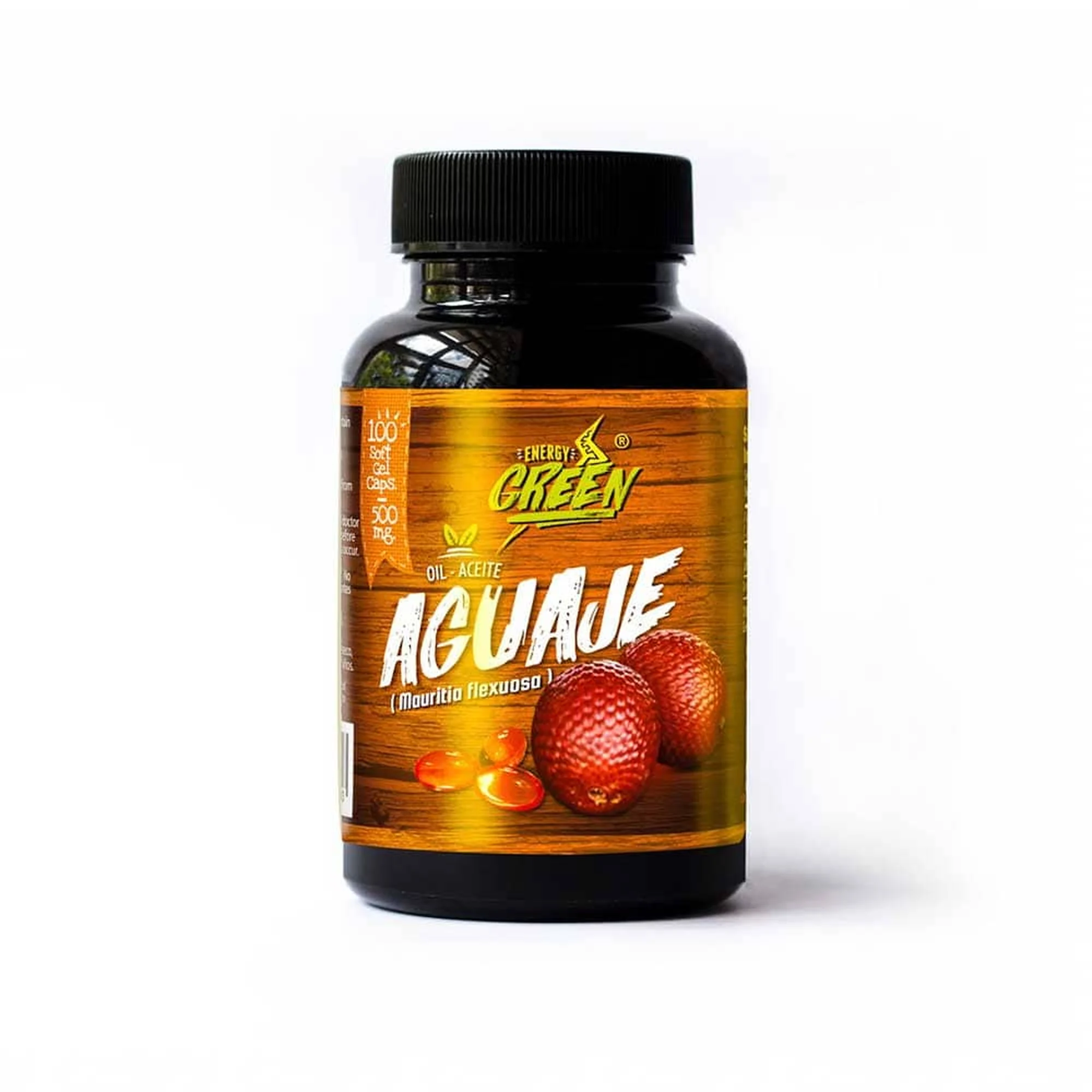
Aguaje Fruit: What It Is, What It Contains and How It’s Used
If you have been searching for “aguaje” lately, you are not alone: this Amazon palm fruit is getting a lot of attention in the United States. It is also surrounded by bold claims on social media. Here is a clear, honest guide from the people who source it in Peru.
In short: aguaje is the fruit of Mauritia flexuosa, a palm that grows in the swamp forests of the Amazon. In Brazil it is called buriti, and in Venezuela and Colombia, moriche. Its pulp contains beta-carotene and oleic acid, and it is a staple food in the Peruvian Amazon. Scientific evidence on its effects in people is still very limited.
What is aguaje?
The aguaje palm can reach about 100 feet (30 meters) and forms vast palm swamps called aguajales in the Peruvian Amazon, especially in the Loreto region around Iquitos. The fruit is small and oval, covered in reddish-brown scales, with a layer of bright orange pulp underneath.
In Peru, aguaje is an everyday food: people eat the pulp fresh, turn it into juice and frozen treats (aguajina drinks and chupetes, or ice pops), and buy it by the bag at local markets throughout the Amazon. Aguajales are also important ecosystems: they store large amounts of carbon and provide food for many animals.
What does aguaje contain?
- Carotenoids, especially beta-carotene, which give the pulp its deep orange color.
- Fats, mainly oleic acid, the same monounsaturated fatty acid found in olive oil.
- Vitamin E (tocopherols) and dietary fiber.
Exact amounts vary with ripeness, origin and processing, so a responsible supplier reports them from a lab analysis of each lot, not from a generic table.
What does science say about aguaje?
Honestly: very little in humans. Most published research on aguaje consists of lab or animal studies, and the few human studies available tested mixed products, not aguaje on its own. Popular claims about “curves,” hormones or weight gain are not supported by human research.
What we can say with confidence is what it is: an Amazon fruit with a long tradition as food.
How aguaje is used
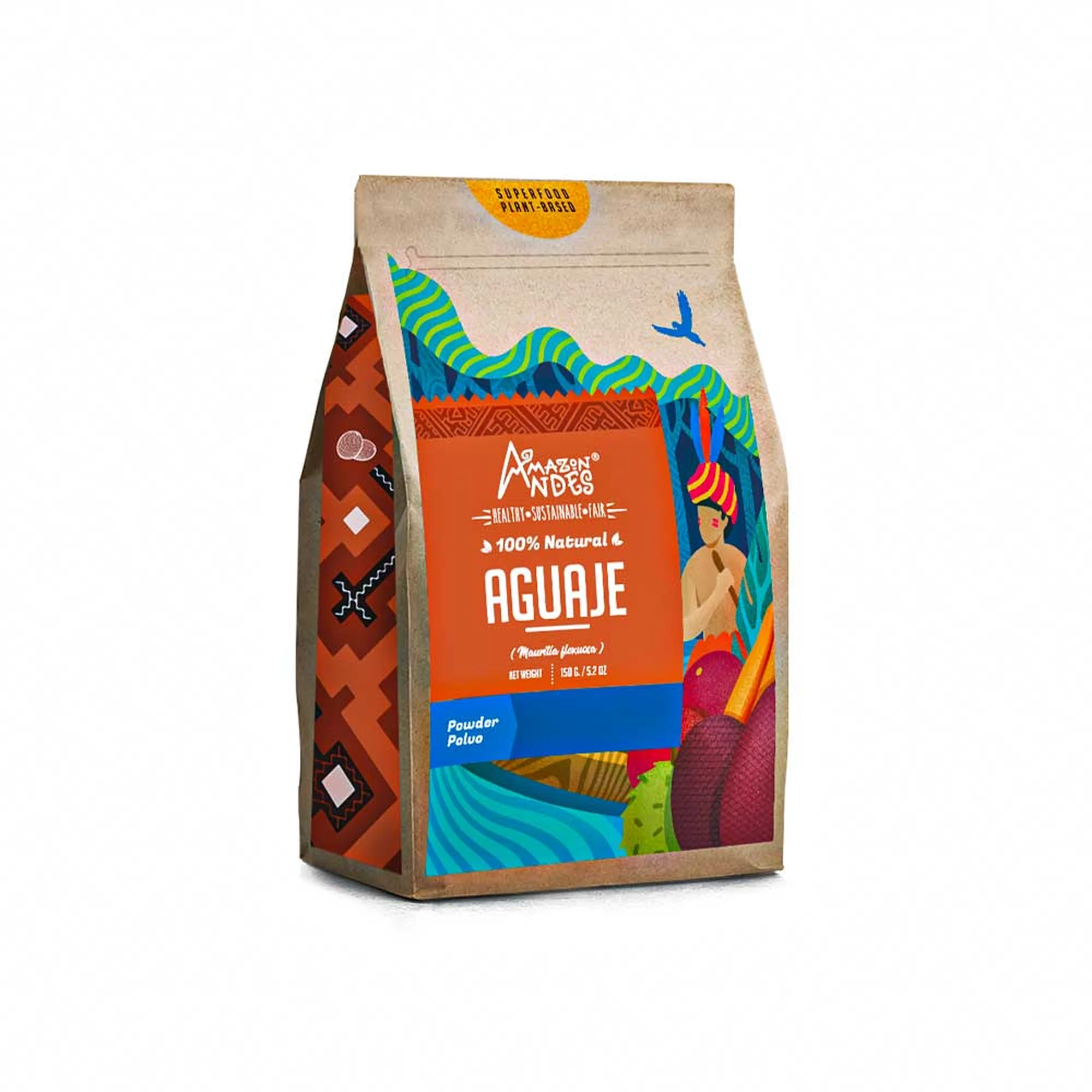
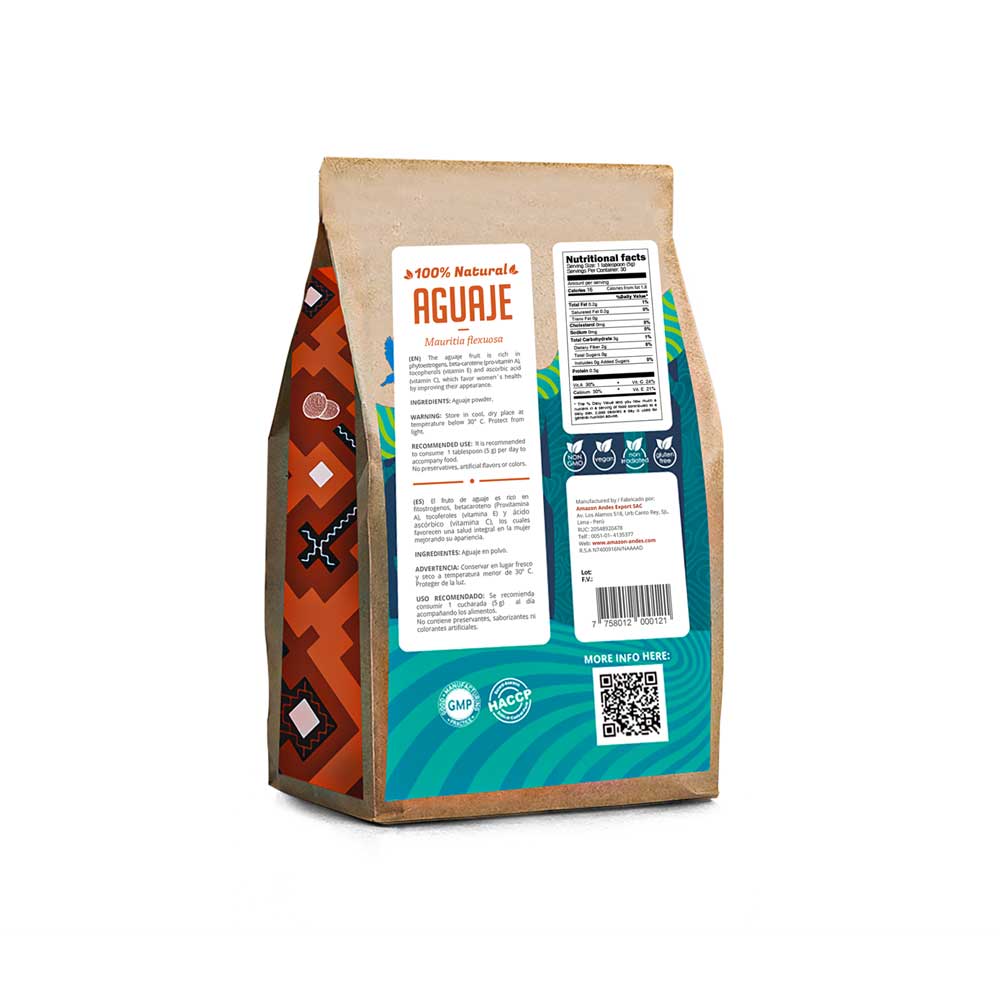
- Aguaje powder: blend it into smoothies, yogurt or oatmeal for its fruity, slightly tangy flavor and color.
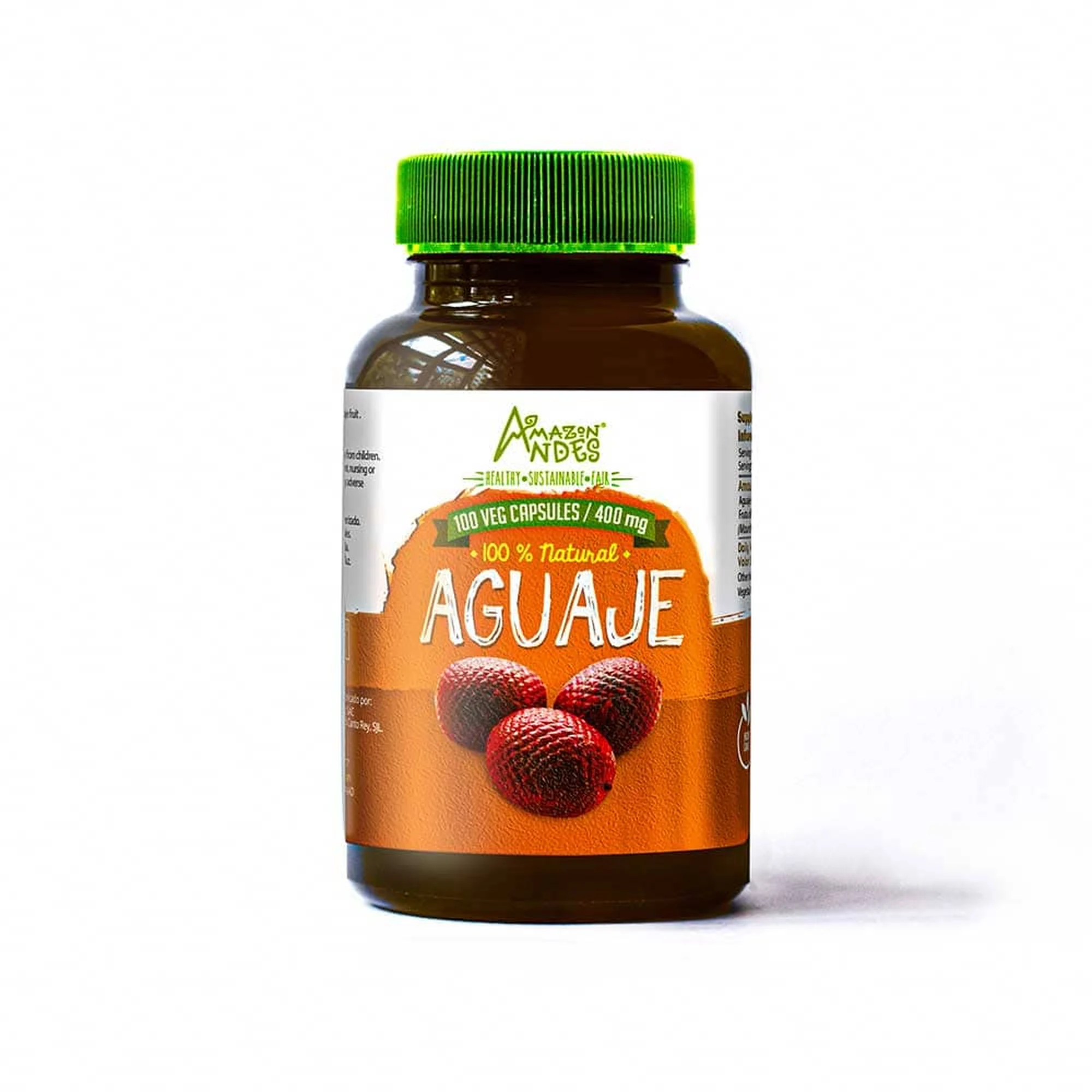
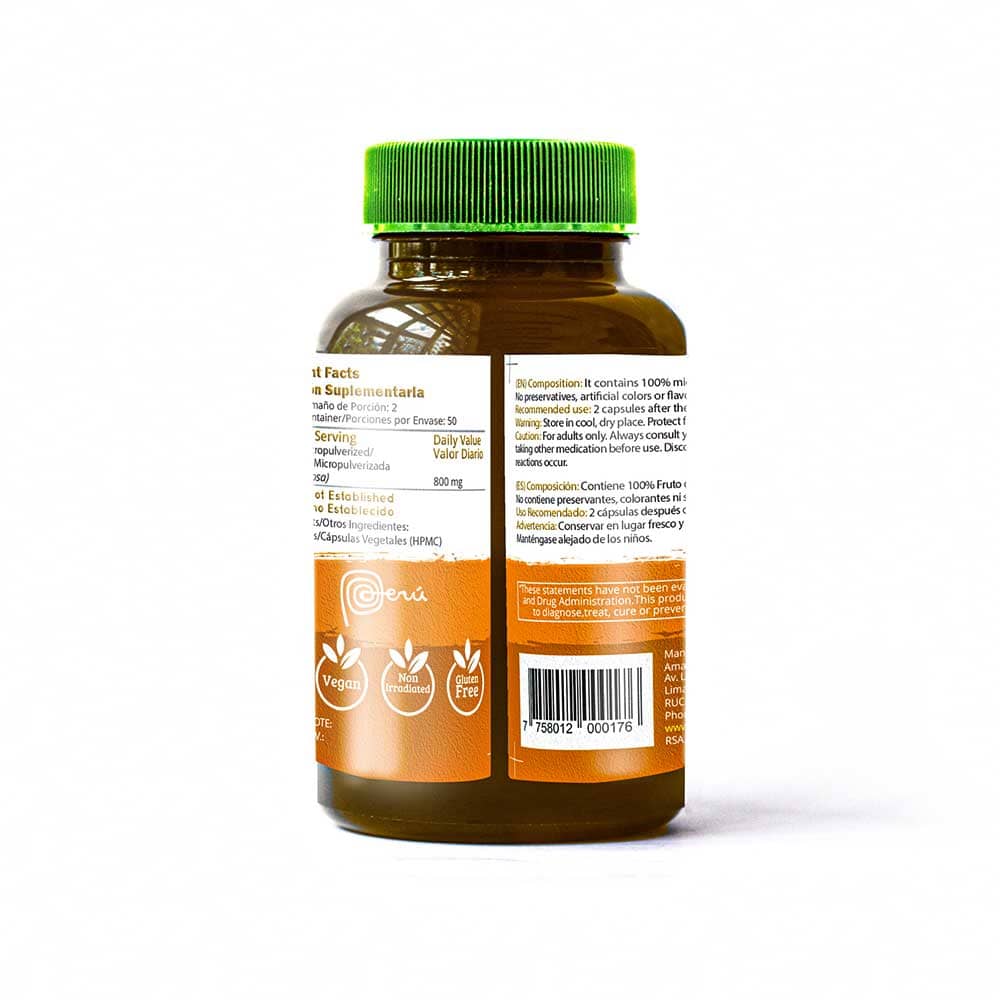
- Aguaje capsules: a convenient option if you prefer not to change the taste of your food.
- Aguaje (buriti) oil: used mainly as an ingredient in skin and hair care formulations.
A note for formulators and buyers: aguaje oil softgels use a gelatin shell, so they are not vegan. Our aguaje powder capsules use plant-based hard shells. If you are pregnant, nursing, a smoker, taking medication or have a medical condition, talk to your doctor before taking supplements that contain beta-carotene.
Aguaje vs. buriti: same fruit?
Yes. Aguaje (Peru), buriti (Brazil) and moriche (Venezuela and Colombia) are all names for the fruit of Mauritia flexuosa.
Sourcing aguaje from Peru
Amazon Andes has been exporting Peruvian superfoods to more than 48 countries since 2011. We supply aguaje powder, aguaje capsules, aguaje oil softgels and aguaje (buriti) oil, retail-ready and in bulk, to retailers, distributors and brands.
Become an Amazon Andes distributor →
FAQ
What does aguaje taste like?
The fresh pulp is oily, slightly sweet and tangy, with a flavor some people compare to a mix of carrot and apricot.
Is aguaje safe?
It has been eaten as a food in the Amazon for generations. As with any supplement, follow the label directions and talk to your doctor if you have a health condition. Smokers should avoid supplements that contain beta-carotene.
Where can I buy aguaje in the US?
Check the Amazon Andes US store for current availability. Retailers and distributors can contact us about wholesale.
These statements have not been evaluated by the Food and Drug Administration. This product is not intended to diagnose, treat, cure, or prevent any disease.
Related products