Huanarpo Macho: What It Is, How It Is Taken, and What the Evidence Says
If you have searched for huanarpo macho you have probably found two things: shops selling it, and headlines calling it Peruvian viagra. Neither tells you what the plant is, where it comes from, or what is actually known about it.
This is the sourced version, including the part the shops tend to leave out.
What huanarpo macho is
Huanarpo macho is Jatropha macrantha, a shrub in the spurge family, endemic to Peru. It grows one and a half to two metres tall, with fleshy branches and intense orange-red flowers that appear late in the dry season.
It grows in the highlands, between 1,500 and 2,500 metres above sea level, in Ancash, Arequipa, Cajamarca, Huanuco, La Libertad, Lima and Puno. It is not a lowland or coastal plant, even though it is sold across the country.
The part used is the trunk and bark, air-dried, milled, and either encapsulated or packed as powder. Not the leaves, not the flower.
What it is traditionally used for
The documented use in Peruvian traditional medicine is as a stimulant of male sexual function. That use is what gave the plant its name and why it is still sold.
Phytochemical analysis of the capsules lists steroids, saponins, tannins, flavonoids, alkaloids, lignoids, apigenin, vitexin, isovitexin and diterpenes. That is a list of compound families, not an explanation: knowing a plant contains flavonoids tells you nothing about what it does in a body.
What the research says, and what it does not
There is one serious Peruvian study on huanarpo macho, and it is worth reading carefully, because almost everything claimed elsewhere traces back to it.
Tinco, Arroyo and Bonilla published it in 2011 in Anales de la Facultad de Medicina (72(3):161-168), Universidad Nacional Mayor de San Marcos. They used a methanolic extract of leaves and stems collected in Vilcas Huaman, Ayacucho, on 100 Wistar rats, at 100, 200 and 300 mg/kg, with sildenafil as a positive control.
At the highest dose they recorded a 75% increase in mounting frequency versus control and an 85% rise in nitric oxide levels. The authors concluded that the extract had a vasorelaxant modulating effect with elevated nitric oxide levels. The median lethal dose was 1,357 mg/kg.
Now the part that matters: this is a rat study. There are no clinical trials in people that would let anyone carry that result across to an adult man, and the authors themselves close the paper asking for expanded safety work and genotoxicity testing. Anyone telling you it is scientifically proven to improve erection in humans is stretching a rodent experiment well past what it says.
That does not mean the plant does nothing. It means what exists today is sustained traditional use plus one interesting preclinical result, and calling it anything more would be disrespectful to the reader.
Huanarpo macho and black maca: why they are sold together
It is the most searched combination, and not purely a commercial accident: two Peruvian plants with separate histories of use that ended up in the same bottle.
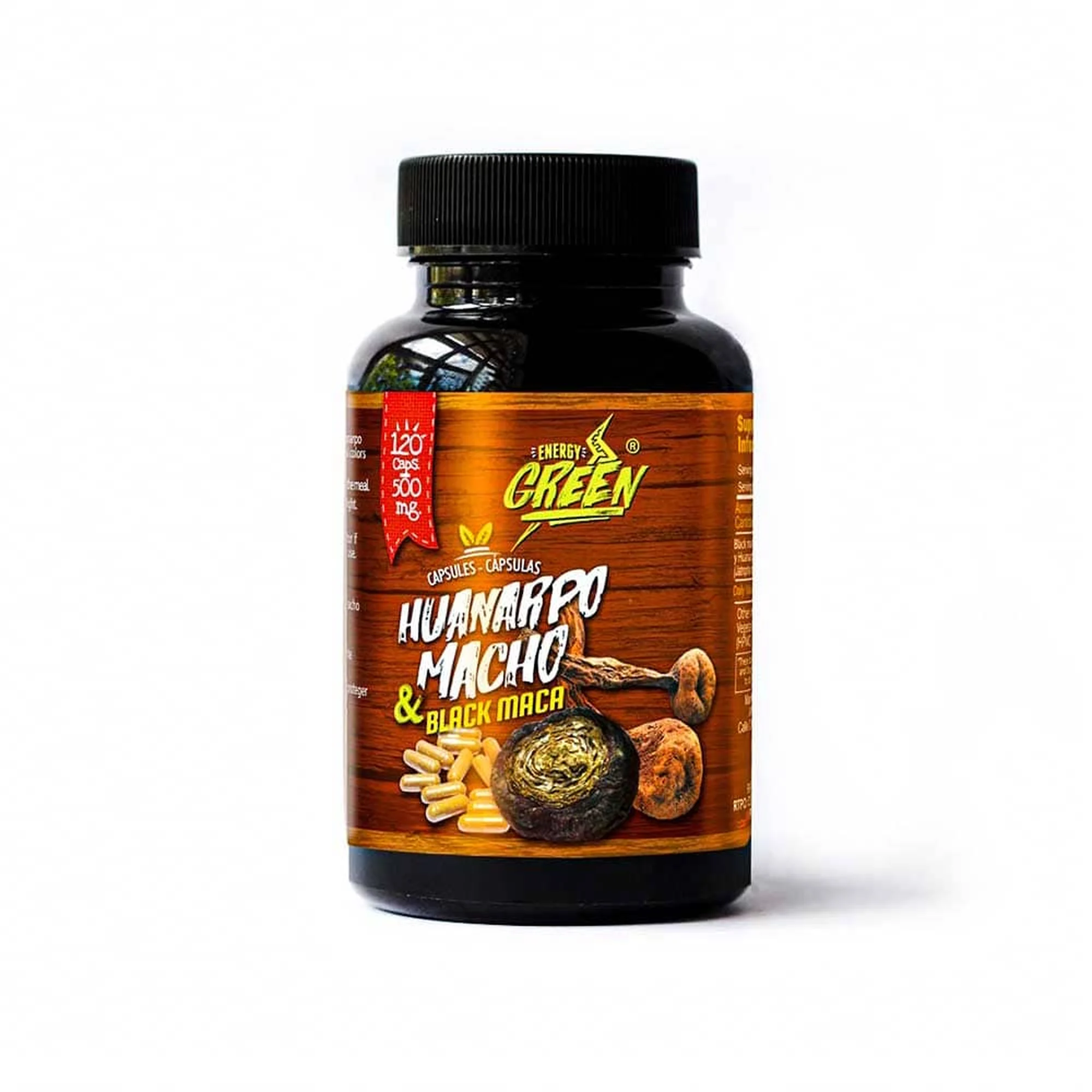
Black maca (Lepidium meyenii) is a root from the puna, above 4,000 metres, traditionally used for energy and stamina. Huanarpo macho is a mid-highland shrub. They are combined in 500 mg capsules pairing huanarpo trunk and bark with black maca root.
How it is taken
It depends on the format. These are the recommended uses stated in our technical datasheets:
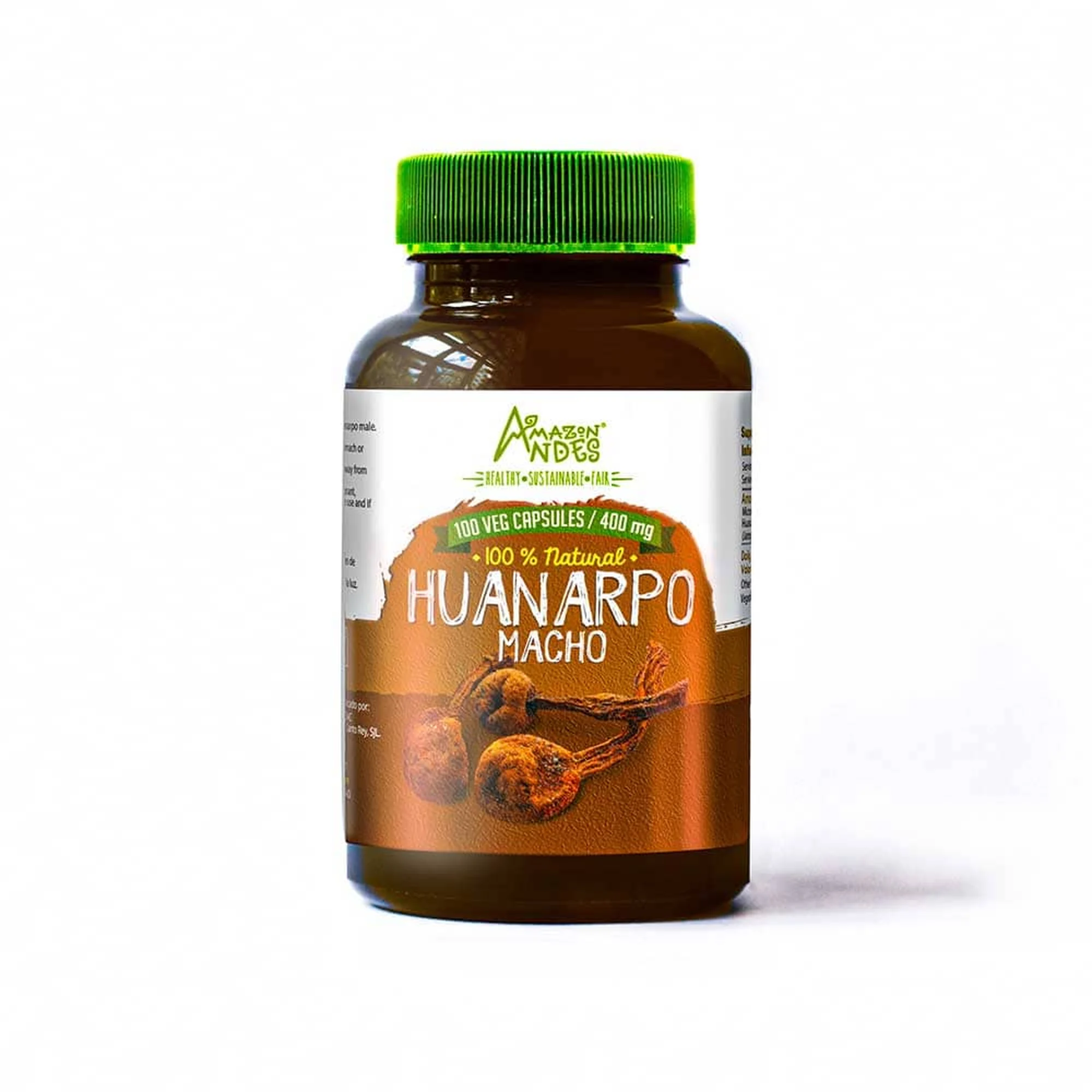
- Huanarpo macho capsules (400 mg): 3 capsules a day, before meals.
- Huanarpo macho with black maca capsules (500 mg): 3 capsules a day, with meals.
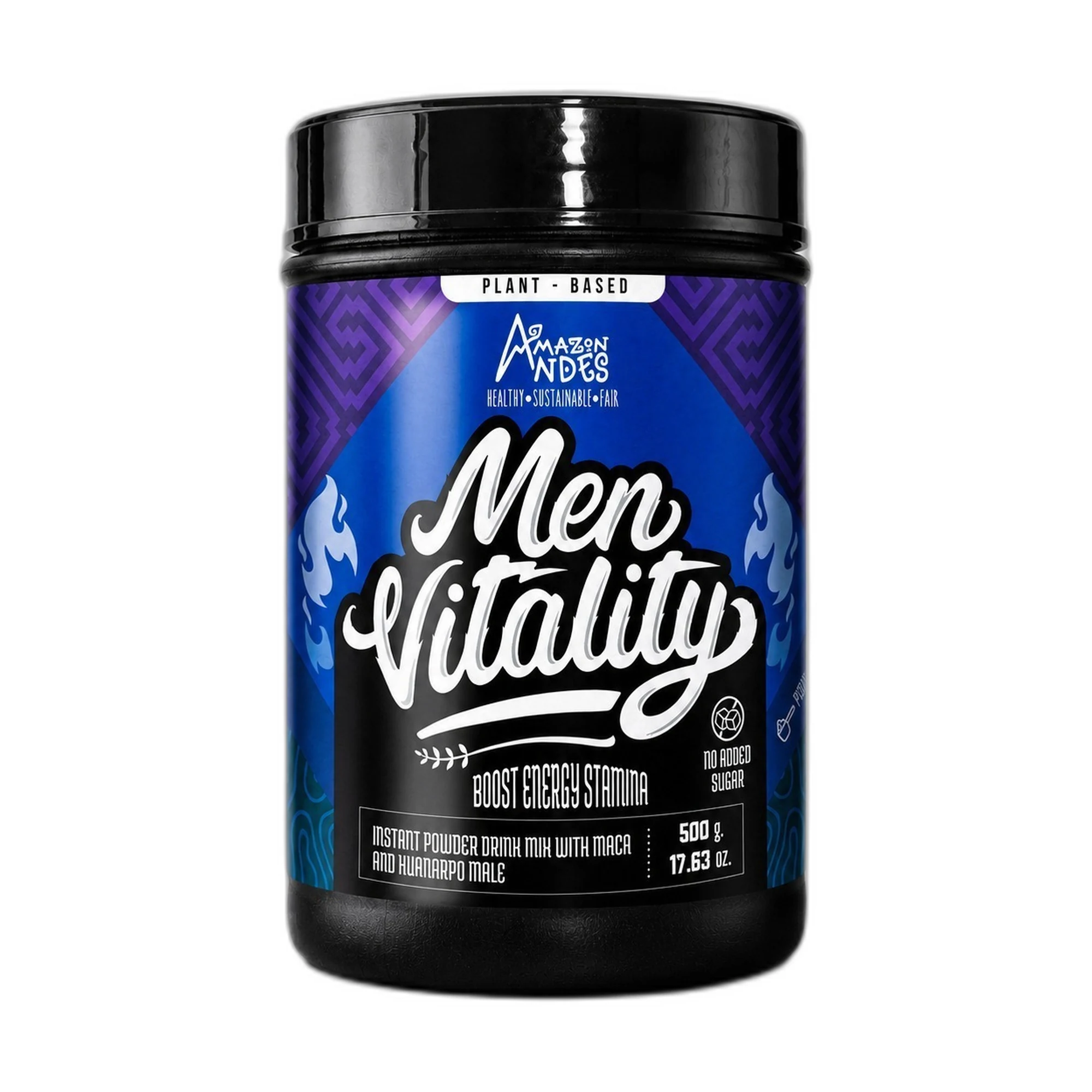
- Powder: 3 g, one tablespoon, in juice or water, spread across the day.
The powder is reddish brown with a strong bark-like taste. It goes down better in fruit juice than in plain water.
When not to take it
The datasheets report no interactions or adverse effects under normal conditions of use, but they do set out specific precautions:
- Pregnancy and breastfeeding: not recommended.
- Post-operative: not recommended.
- Blood pressure or erectile dysfunction medication: the animal study points to a vasodilatory mechanism, the same ground those drugs act on. Ask your doctor before combining them.
- Under 18: the product is intended for adults.
No adverse effects reported is not the same as proven to have none. It means there are no reports, for a product that also has no clinical trials.
Frequently asked questions
Does huanarpo macho cure erectile dysfunction?
No. Erectile dysfunction has specific causes, vascular, hormonal, neurological, psychological, or a side effect of medication, and needs a diagnosis. Huanarpo macho is a food, not a treatment, and the evidence that exists is preclinical. If the problem persists, the right step is a medical consultation.
How is it different from huanarpo hembra?
They are different plants despite the name. Huanarpo macho is Jatropha macrantha; huanarpo hembra is applied popularly to other species in the genus with different traditional uses. Check the scientific name on the label.
How long does it take to work?
There is no reliable figure to give. No human trials measure response time, and any specific number you find elsewhere is either invented or extrapolated from the rat study.
Where to get it
At Amazon Andes we work huanarpo macho from origin, in capsules and powder, with DIGESA sanitary registration.
Huanarpo Macho Capsules →
Black Maca with Huanarpo Macho Tablets →
For bulk huanarpo macho, powder or 20:1 extract for formulation, see our B2B guide to the atomized extract.
This article is informational and describes traditional uses and preclinical research findings. It is not medical advice and does not replace consultation with a healthcare professional. Food product: it is not a medicine and is not intended to diagnose, treat, cure or prevent any disease.
Related products