How to Choose a Private Label Supplement Manufacturer: A Buyer’s Checklist
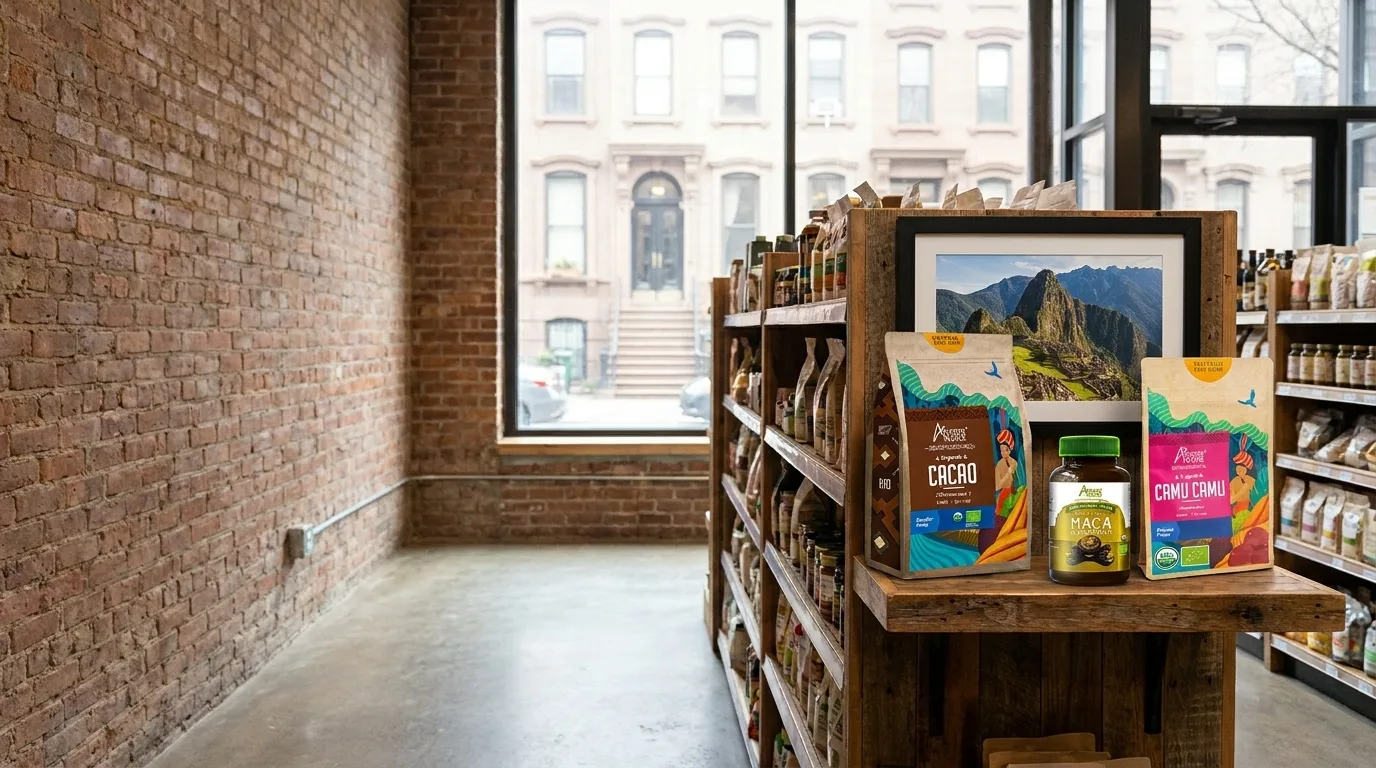
Launching your own supplement brand no longer requires your own factory. Private label and contract manufacturing let you sell a product made by a specialist under your name. The wrong partner can cost you months, inventory and reputation. This checklist covers what experienced buyers verify before signing, written by a Peruvian manufacturer and exporter that has shipped superfoods to more than 48 countries since 2011.
In short: a good private label supplement manufacturer can prove its quality systems (cGMP), deliver a certificate of analysis for every lot, state its minimum order quantity and lead time in writing, and support you on labeling. If you import, it should also understand what the FDA expects from foreign suppliers. Use the checklist below to compare manufacturers on the same terms.
Private label vs. contract manufacturing
The two terms are often used interchangeably, but there is a useful distinction:
- Private label: you choose a product the manufacturer already makes, such as maca or turmeric capsules, and sell it under your brand. Fast to launch, with a proven formula.
- Contract manufacturing: the manufacturer produces your own formula to your specification. More control, but more development time and testing.
In both cases, under U.S. law the brand that markets the product shares responsibility for it. That is why the manufacturer you pick matters so much.
The private label supplement manufacturer checklist
1. Quality systems: cGMP and food safety
In the U.S., dietary supplements must be manufactured under current Good Manufacturing Practices (cGMP), set out in 21 CFR Part 111. Ask for evidence, not adjectives:
- Who certifies or audits the facility’s GMP compliance, and when was the last audit?
- Does the plant run a HACCP or equivalent food safety system?
- Is the facility registered with the FDA as a food facility, as required for foreign plants that export food to the U.S.?
2. Certificate of analysis (COA) for every lot
A COA documents the results of testing for a specific lot. Ask to see a sample COA before you order and check that it covers:
- Identity of the ingredient and the test method used.
- Microbiology: total plate count, yeast and mold, E. coli, Salmonella.
- Heavy metals: lead, arsenic, cadmium and mercury.
- Moisture and, where relevant, pesticide residues.
Under cGMP, your company is still expected to verify specifications. The COA helps, but it does not replace your own quality review.
3. Minimum order quantity (MOQ)
Every production run requires setup, materials and quality control, so manufacturers set a minimum order per SKU. Get the MOQ in writing, per product and per format, and ask whether reorders carry the same minimum.
4. Lead time
Ask for the production lead time from the moment artwork and specifications are approved, and separately ask how long shipping and customs clearance usually take to your warehouse. Build your launch calendar on the sum, with a margin.
5. Formats and packaging
- Which formats are available: hard capsules, softgels, powders?
- Which bottle counts and sizes come standard?
- What is the capsule shell made of? This matters for vegan or vegetarian positioning. Softgels are usually made with gelatin, which is of animal origin, so a softgel product cannot be marketed as vegan.
- Does packaging protect the product from light and moisture?
6. Labeling and FDA basics (DSHEA)
Under the Dietary Supplement Health and Education Act of 1994 (DSHEA), supplements do not need FDA approval before they are sold, but the company marketing them is responsible for their safety and for truthful labeling. The basics your manufacturer should help you get right:
- A Supplement Facts panel formatted according to FDA rules (21 CFR 101.36).
- Statement of identity, net quantity, ingredient list, and the name and place of business of the manufacturer, packer or distributor.
- No disease claims. A supplement cannot claim to diagnose, treat, cure or prevent any disease.
- If you use a structure/function statement, it requires substantiation, the FDA disclaimer on the label and a notification to the FDA within 30 days of marketing.
- Ingredients not marketed as dietary supplements before October 15, 1994, may require a New Dietary Ingredient (NDI) notification.
7. Importing from Peru
Many brands source from origin countries to get closer to the raw material. If you import supplements made in Peru, plan for:
- Prior Notice filed with the FDA before each food shipment arrives.
- Foreign Supplier Verification Program (FSVP) obligations for the U.S. importer, which include specific provisions for dietary supplements.
- A customs broker who knows food and supplement entries.
- Documentation: commercial invoice, packing list, COA and, where applicable, certificate of origin.
- Incoterms agreed in writing, so you know who pays freight, insurance and duties.
Quick comparison table
| What to check | What to ask for | Red flag |
|---|---|---|
| GMP | Name of the certifying body and audit date | “We follow GMP” with no documentation |
| COA | Sample COA covering microbiology and heavy metals | No lot-level testing |
| MOQ | Written MOQ per SKU and per reorder | MOQ that changes after the quote |
| Lead time | Production time from artwork approval | No committed timeline |
| Formats | Capsule shell material and bottle counts | “Vegan softgels” |
| Labeling | Review of Supplement Facts and claims | Encourages disease claims |
Private label supplements with Amazon Andes
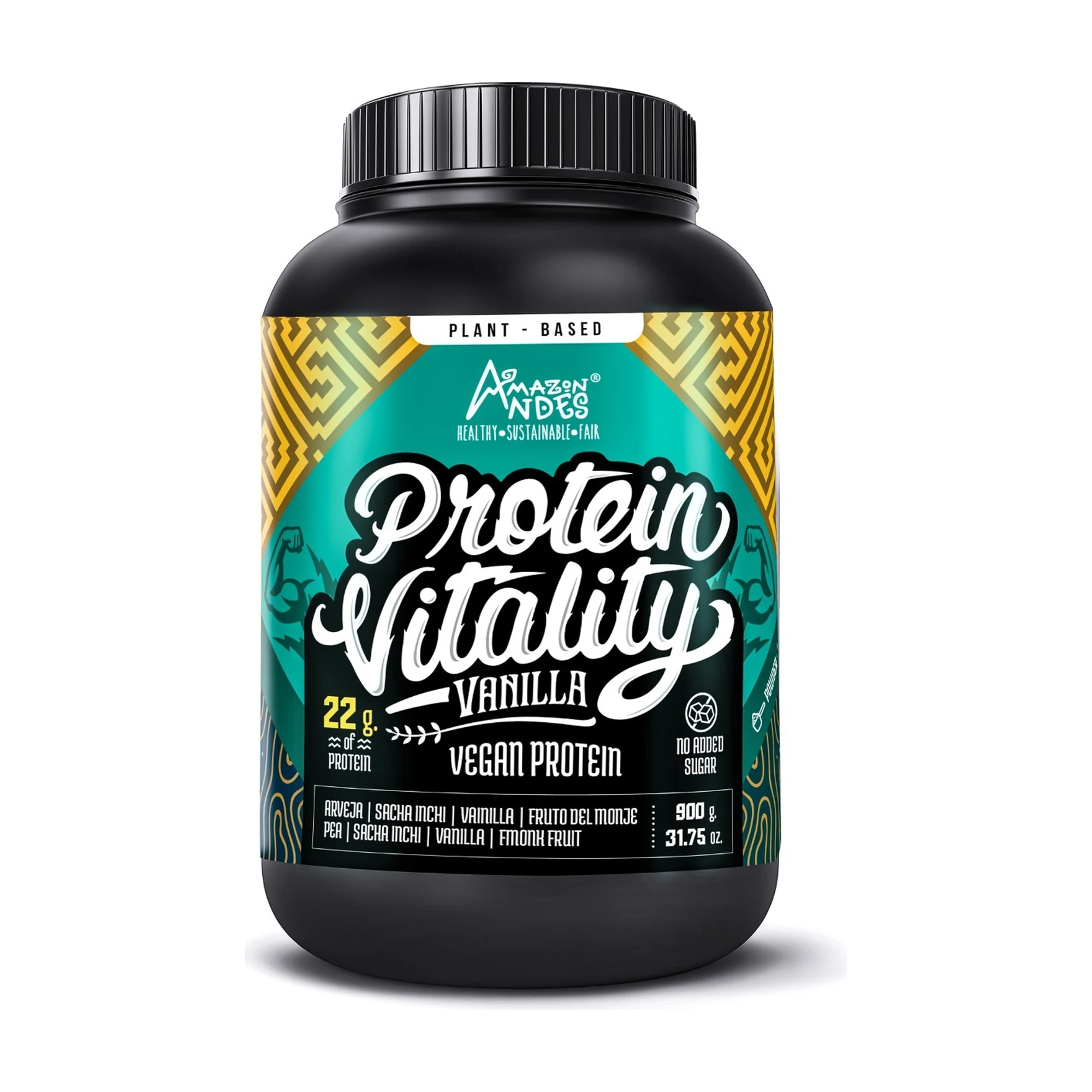
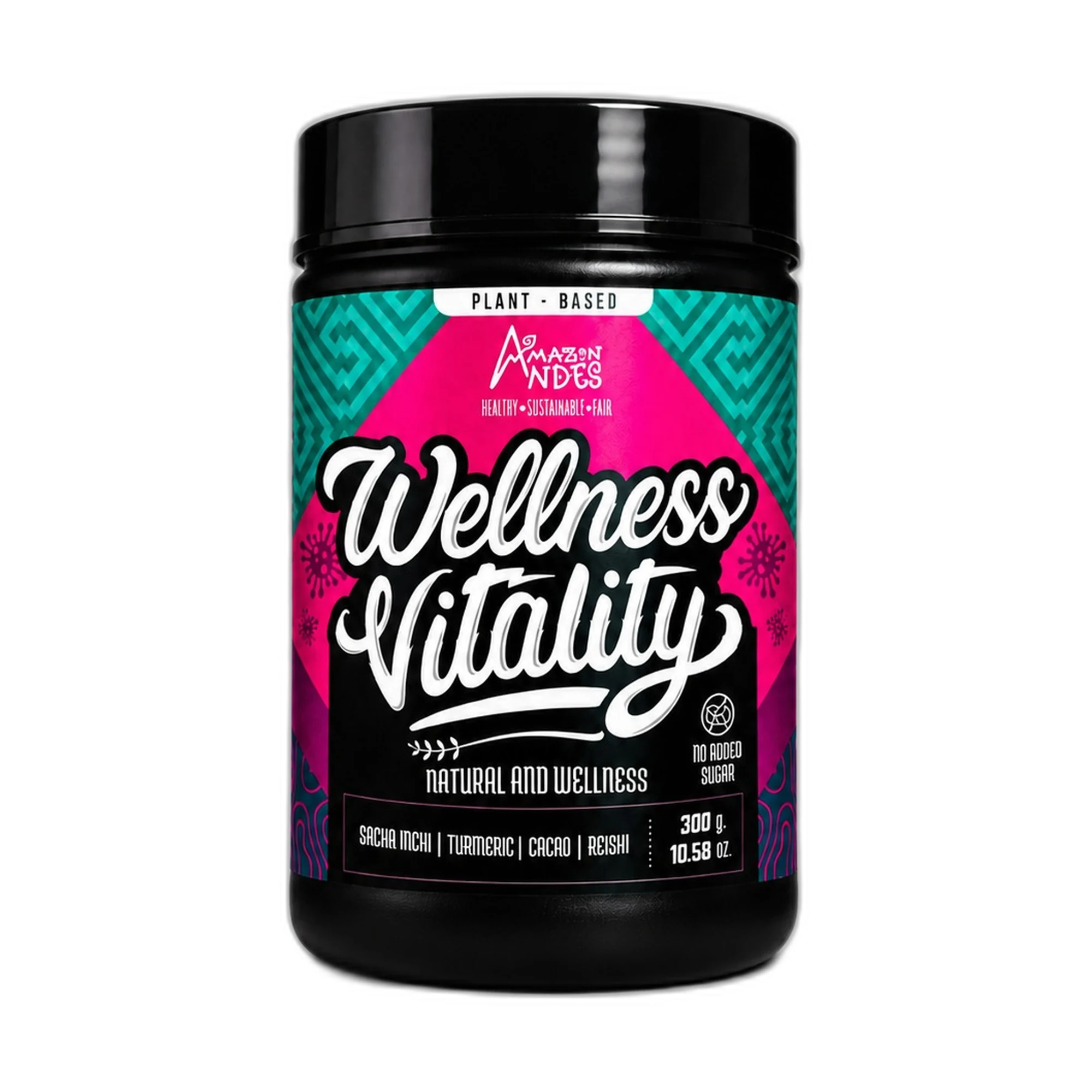
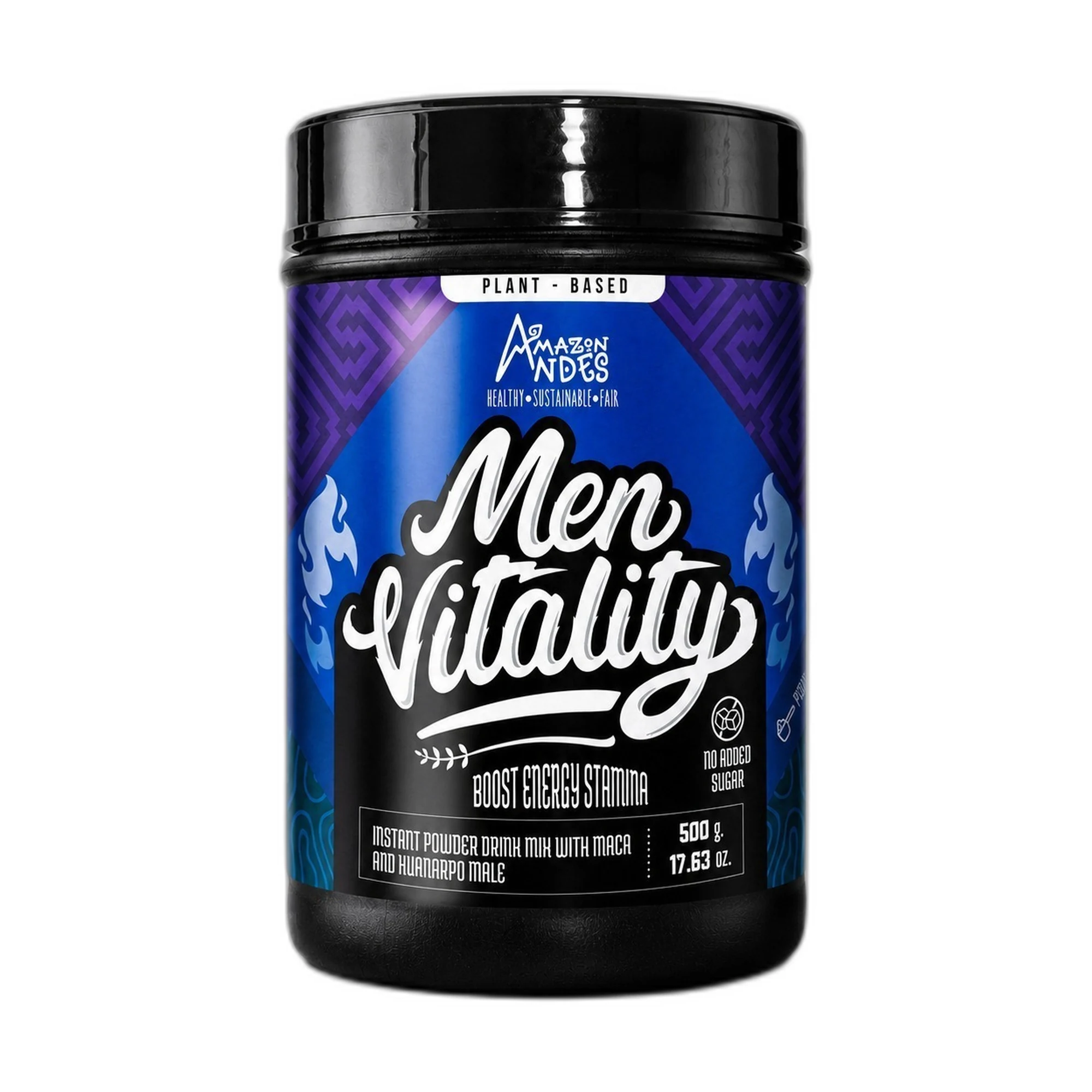
Amazon Andes manufactures and exports Peruvian superfood supplements and has shipped to more than 48 countries since 2011. Here is how we answer the checklist:
- Quality: GMP certified by NSF, with a HACCP system in place.
- Formats: capsules in bottles of 60, 100 or 120.
- MOQ: 1,000 units.
- Lead time: 45 days of production.
Tell us about your brand, target market and the products you have in mind, and we will prepare a proposal.
FAQ
What is a typical MOQ for private label supplements?
It varies widely by manufacturer and format. At Amazon Andes, the minimum order is 1,000 units.
Do I need FDA approval to sell a private label supplement?
No. Dietary supplements do not require FDA premarket approval, but they must be made under cGMP and labeled according to FDA rules, and your company is responsible for both.
How long does it take to launch?
Add up label design, production and shipping. At Amazon Andes, production takes 45 days once everything is approved.
This article is for general information only and is not legal or regulatory advice. Confirm current FDA, FTC and customs requirements with a qualified professional before launching a product.
Related products